
Business
Nifty Bounces Back to Beat All of Asia on Foreign Flows, Earnings
By Katherine Langford
Advertisement · Why this ad?
Marcus manages the day-to-day editorial workflow across all brands, coordinating coverage assignments and ensuring editorial standards are met. He previously served as city editor at the Pioneer Press and holds a degree in Political Science from Carleton College.
More from Marcus →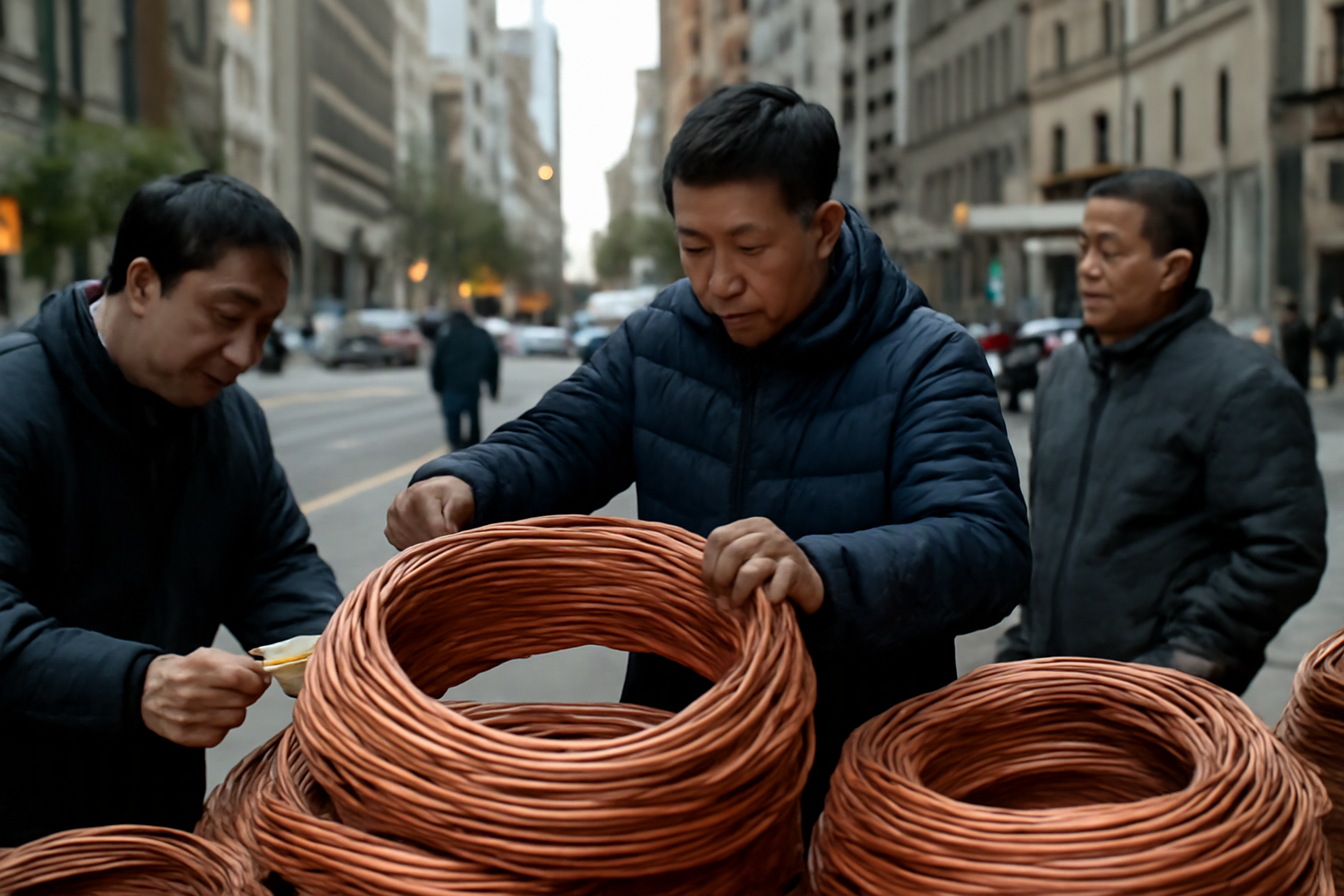
As the sun rises over the bustling markets of Shanghai, the air is thick with anticipation. Traders and manufacturers are on edge, scrambling to secure copper supplies amid a tightening market. This surge in demand comes as China, the world's largest consumer of copper, faces a significant supply crunch that has pushed spot premiums to unprecedented levels.
In recent weeks, copper buyers in China have been engaged in a frantic race to secure physical metal, with spot premiums climbing sharply. According to industry experts, the tightening of supplies has been driven by a combination of factors, including production cuts and increased demand from the construction and manufacturing sectors. As of October 2023, spot premiums have reached levels not seen in years, indicating a strong market for immediate delivery.
The situation has escalated to the point where some buyers are willing to pay significantly above the benchmark prices to ensure they receive the metal they need. Reports indicate that premiums for copper in Shanghai have surged to around $100 per ton, a stark increase compared to previous months. This dramatic rise highlights the urgency among buyers to secure supplies amid fears of further disruptions.
The copper market is experiencing a perfect storm of supply constraints and soaring demand. Factors contributing to the current squeeze include a slowdown in production from major mines, coupled with a resurgence in demand as China's economy rebounds. Analysts note that the construction sector, which is a major consumer of copper, is ramping up activity as infrastructure projects gain momentum.
Additionally, the global shift towards green technologies and electric vehicles has further intensified demand for copper, known for its excellent conductivity. As countries push for cleaner energy solutions, the need for copper in renewable energy systems and electric vehicles is expected to grow, placing additional pressure on already strained supplies.
The implications of the copper squeeze extend beyond the trading floors of Shanghai. Local manufacturers in New York City, who rely heavily on copper for their products, are feeling the pinch. Small businesses, in particular, are grappling with rising costs and potential delays in production. The increased premiums have led to higher prices for end consumers, affecting everything from electronics to construction materials.
For families in the city, this translates into higher costs for home renovations and repairs. The ripple effects of the supply crunch are being felt across various sectors, raising concerns about inflation and economic stability. Community leaders are urging for a collaborative approach to address these challenges, emphasizing the need for strong partnerships between businesses and government to mitigate the impact on families.
As New York City navigates the implications of the copper squeeze, it is essential to consider the broader economic landscape. The city, which is home to a diverse array of industries, from tech startups to traditional manufacturing, relies on a stable supply of raw materials like copper. The current situation could potentially stifle growth in these sectors, leading to a slowdown in job creation and economic expansion.
Moreover, the construction industry, which contributes significantly to the city's economy, is particularly vulnerable. With ongoing projects and new developments underway, the rising cost of copper can lead to budget overruns and delays, affecting timelines and ultimately the housing market. This could exacerbate the existing housing crisis in NYC, where affordable housing is already in short supply.
Local business owner Maria Gonzalez, who runs a family-owned construction firm, expressed her concerns about the rising costs. "We are trying to keep our prices competitive, but with copper prices skyrocketing, it's becoming increasingly difficult to do so. Our clients are feeling the pressure, and we want to ensure we can continue to serve our community without compromising quality," she said.
Similarly, David Tran, a manufacturer of electrical components, noted that the supply issues have led to uncertainty in his operations. "We have to make tough decisions about how much material to order. The volatility in prices is a challenge we didn't anticipate, and it affects our ability to plan for the future," he stated.
Despite the challenges posed by the copper squeeze, there are signs of resilience within the community. Local organizations and business coalitions are coming together to share resources and strategies to navigate the current landscape. Workshops and forums are being organized to educate small business owners on how to manage rising costs and explore alternative sourcing options.
Additionally, there is a growing emphasis on sustainability and recycling within the manufacturing sector. Some businesses are looking into using recycled copper, which not only helps mitigate costs but also aligns with the global push towards more sustainable practices. This could lead to innovative solutions that benefit both the economy and the environment.
Looking ahead, analysts predict that the copper squeeze may persist as global demand continues to outstrip supply. Industry experts are calling for increased investment in mining and refining operations to alleviate the pressure on the market. However, such developments take time, and immediate solutions are needed to stabilize prices.
As the situation unfolds, stakeholders in New York City and beyond are closely monitoring the market, hoping for signs of relief. The community is urged to stay informed and engaged as the dynamics of the copper market continue to evolve. This is a crucial moment for families and businesses alike, as they navigate the challenges posed by rising costs and supply uncertainties.
In conclusion, the copper squeeze in China has far-reaching implications that extend to communities in New York City. As buyers scramble for supplies and prices soar, the impact is felt by manufacturers and families alike. The need for strong partnerships and proactive measures is more critical than ever to ensure stability in the face of these challenges.
In response to the ongoing copper crisis, local government officials in New York City are beginning to take notice. City Council members are discussing potential measures to support affected businesses, including the possibility of providing grants or low-interest loans to help small manufacturers cope with rising material costs. Community meetings are being organized to gather input from local business owners on how best to address the challenges they face.
Moreover, there is a growing call for the city to invest in local recycling initiatives that could create a more sustainable supply chain for copper and other essential materials. By fostering a circular economy, New York City could help mitigate the impacts of global supply issues while also promoting environmental sustainability.
As the copper squeeze continues to unfold, the interconnected nature of global supply chains and local economies becomes increasingly evident. The challenges posed by rising copper prices are not just a concern for traders in Shanghai but resonate deeply within the communities of New York City. The resilience and adaptability of local businesses, combined with proactive measures from government and community organizations, will be vital in navigating this complex landscape. The future of the copper market remains uncertain, but by working together, stakeholders can help ensure a more stable and sustainable path forward.
By Katherine Langford

By Marcus Chen

By Marcus Chen

By Katherine Langford