
Business
UK and EU agree draft deal to scrap Brexit red tape over food exports
By Marcus Chen
Advertisement · Why this ad?
Marcus manages the day-to-day editorial workflow across all brands, coordinating coverage assignments and ensuring editorial standards are met. He previously served as city editor at the Pioneer Press and holds a degree in Political Science from Carleton College.
More from Marcus →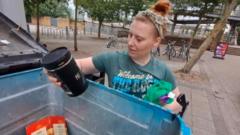
On a brisk London morning, Sarah Thompson, a 32-year-old mother of two, carefully sifts through a commercial bin behind a popular clothing store. With each item she pulls out, her face lights up with the thrill of discovery. A barely-used jacket, a pair of shoes, and even a bottle of shampoo emerge from the refuse. For Sarah, this isn’t just a scavenger hunt; it’s a lifeline that helps her save hundreds of pounds each month.
In recent years, a growing number of Londoners have turned to dumpster diving as a means of obtaining free goods. Individuals like Sarah and her fellow divers have found a treasure trove in commercial waste, uncovering everything from clothing to household items. Each dive can yield surprising finds that not only alleviate financial pressure but also contribute to a more sustainable lifestyle.
According to a study by the Greater London Authority, waste in the capital has reached staggering levels, with an estimated 3.9 million tonnes generated annually. Amid this waste, many are finding opportunities to provide for their families without spending a dime. Local shops and businesses, particularly in the fashion industry, often discard perfectly usable items, contributing to a culture of waste that dumpster divers aim to challenge.
This trend is not merely about financial savings; it also reflects a growing awareness of sustainability and waste reduction. The environmental impact of consumer culture has prompted many to rethink their shopping habits, leading them to salvage what others discard. This shift in mindset is particularly important in a city like London, where environmental concerns are increasingly at the forefront of public discourse.
While dumpster diving is often met with skepticism, many in the community see it as a necessary response to economic pressures. Local charities and organizations, such as The Trussell Trust, report an increase in food bank usage, highlighting the dire need for alternative solutions. In fact, food bank visits in the UK have surged by over 50% in recent years, with many families relying on these services due to rising living costs.
“People often assume that those who dive are desperate or in need,” says Mark Jenkins, a community activist. “In reality, many are just resourceful individuals looking to make the most of what’s available. It’s about reclaiming value from waste.”
This resourcefulness is evident in the stories of many divers. For instance, James, a 28-year-old artist, has transformed his living space using items he found while diving. “I’ve furnished my entire flat with things I’ve salvaged. It’s not just about saving money; it’s about creativity and sustainability,” he shares. James often collaborates with local artists to host workshops on how to upcycle found materials into art, further promoting the ethos of reuse and creativity in the community.
These workshops not only provide practical skills but also foster a sense of belonging among participants. They serve as a platform for sharing knowledge and experiences, helping to destigmatize the practice of dumpster diving. Many attendees report feeling empowered by the opportunity to create something new from discarded items, reinforcing the idea that waste can be transformed into valuable resources.
The financial benefits of dumpster diving can be significant, especially for families struggling to make ends meet. Sarah estimates that her monthly savings from scavenging can reach up to £300. “That’s money I can spend on my kids,” she explains, her eyes shining with pride. For families like hers, every penny counts. In London, where the average rent can exceed £2,000 per month, these savings can mean the difference between a balanced budget and financial strain.
In a city where the cost of living continues to rise, the ability to find essential items for free is invaluable. Families like Sarah's are not just surviving; they are thriving through community support and resourcefulness. The local schools have noticed this trend too, with some even encouraging students to bring in salvaged items for art projects, fostering a culture of sustainability among the younger generation. This initiative not only teaches children the value of reusing materials but also instills a sense of responsibility towards the environment.
Beyond the financial aspect, dumpster diving fosters a sense of community among participants. Many divers share tips, locations, and even form groups to explore together. “It’s like a little family,” says Sarah. “We look out for each other, and it’s nice to know you’re not alone in this.”
This camaraderie extends to social media platforms, where groups dedicated to sharing finds and experiences have blossomed. These online communities encourage more people to join the movement, emphasizing the importance of sustainability and collective support. Social media hashtags like #LondonDiving and #WasteNotWantNot have gained traction, creating a virtual space for divers to connect, swap stories, and even organize community clean-up events. These events not only promote the practice of dumpster diving but also raise awareness about the issues of waste and consumerism in urban settings.
As the practice of dumpster diving gains traction, advocates are pushing for greater awareness and acceptance. They argue that salvaging goods from waste should not carry a stigma. Instead, it should be celebrated as a practical solution to both economic and environmental challenges. “We need to change the narrative around waste,” says activist Lucy Patel. “What we see as trash can often be someone else's treasure.”
Local councils are beginning to take notice, with some exploring initiatives to support waste reduction and recycling efforts. The Mayor of London has announced plans to enhance recycling programs, which may further benefit those engaged in dumpster diving. Some councils are even considering partnerships with local charities to redistribute surplus goods, ensuring that usable items do not end up in landfills. These initiatives could significantly reduce waste while providing essential items to those in need.
With the rising cost of living and increasing environmental concerns, the future of dumpster diving in London looks promising. As more individuals and families embrace this lifestyle, it may lead to a cultural shift in how society views waste and consumption. Initiatives like community workshops and educational programs on sustainability are also emerging, aiming to inform the public about the benefits of reducing waste.
For Sarah and her community, dumpster diving represents hope and resilience. It’s a reminder that even in a city overflowing with waste, there are still opportunities for those willing to look a little closer. As they continue to navigate the complexities of urban living, the divers are not just reclaiming material goods; they are also reclaiming their agency and redefining what it means to live sustainably in a consumer-driven world. The growing visibility of this movement may inspire policymakers to consider more comprehensive waste management strategies that prioritize reuse and community support, ultimately leading to a more sustainable and equitable future for all Londoners.
By Marcus Chen

By Katherine Langford

By Marcus Chen

By Katherine Langford