Business
What does the raise in interest rates mean?
By Marcus Chen
Advertisement · Why this ad?
Katherine oversees editorial operations across all six brands. Before joining The Meridan Group, she spent 14 years at the Minneapolis Star Tribune, where she led the metro desk through its digital transformation. She holds a Master's in Journalism from Northwestern's Medill School.
More from Katherine →
As the sun rose over London, financial analysts gathered in conference rooms and coffee shops alike, their eyes glued to the latest economic developments. The Bank of England's decision to raise interest rates to 4% marks a pivotal moment in the UK's monetary policy landscape, the first increase in over three years. This change, while anticipated, carries significant implications for families, businesses, and the broader economy.
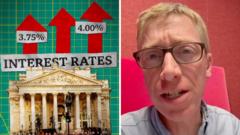
The Bank of England announced on [insert date] that it would increase the base interest rate from 3.75% to 4%. This decision, made by the Monetary Policy Committee, was largely expected by economists and financial experts who had predicted a rise of 0.25%. The last time the interest rates were adjusted upwards was in [insert date], which highlights the prolonged period of stability that has characterized the UK’s economic environment.
In a statement, the Bank emphasized that this increase aims to combat rising inflation, which has been a growing concern for policymakers. Inflation rates have surged, affecting the cost of living for many families across London and the wider UK. The decision reflects a balancing act between fostering economic growth and maintaining price stability.
The reaction among Londoners has been mixed. For some families, the increase in interest rates is a cause for concern, particularly those with mortgages that are tied to variable rates. As mortgage payments rise, so too does the uncertainty around household budgets. Local resident Sarah Thompson, a mother of two, expressed her worries: "With the cost of living already so high, an increase in our mortgage payments is the last thing we need. We’re trying to save for our children's education, and this feels like a setback."
The impact of this increase is felt more acutely in areas of London where housing costs have already soared. In boroughs like Hackney and Islington, where average property prices have climbed sharply, families are already stretched thin. A recent survey indicated that nearly 60% of residents in these areas are concerned about their ability to meet rising housing costs, and this rate hike only amplifies those fears.
Small business owners are also feeling the pinch. Many rely on loans to manage cash flow and invest in growth. John Roberts, who runs a local café, shared his thoughts: "We’ve just started to see a recovery from the pandemic, and now this increase could deter us from investing in new equipment or hiring more staff. It’s a tough pill to swallow." The potential for higher borrowing costs could lead to a slowdown in business expansion, which in turn may affect job creation in the community.
Local businesses like John’s café are not alone; a recent report from the Federation of Small Businesses highlighted that 72% of small enterprises in London are concerned about the impact of rising interest rates on their operations. Many entrepreneurs are now reconsidering their growth strategies, with some delaying planned expansions or scaling back on hiring, which could further exacerbate unemployment in the area.
To fully grasp the implications of this rate hike, it is essential to understand the broader economic context. The UK economy has been navigating through a complex landscape marked by the lingering effects of the COVID-19 pandemic, supply chain disruptions, and geopolitical tensions. These factors have contributed to rising inflation, prompting the Bank of England to reassess its monetary policy.
Historically, interest rate adjustments have been employed as a tool to manage inflation. When rates rise, borrowing becomes more expensive, which can cool consumer spending and, in theory, help stabilize prices. However, this approach is not without its risks, particularly in a time when many families and businesses are still recovering from economic challenges.
Moreover, the geopolitical landscape, including the ongoing conflict in Ukraine and its impact on energy prices, has further complicated the situation. Many economists argue that these external factors are responsible for a significant portion of the inflationary pressures the UK is currently facing, making the Bank's decision to raise rates a contentious one.
For families across London, the implications of this interest rate hike extend beyond just mortgages. The cost of loans for cars, education, and other personal financing will likely increase, making it more challenging for families to manage their finances. The ripple effect of higher interest rates could lead to increased financial strain, particularly for those already grappling with the rising cost of living.
Financial advisors are urging families to reassess their budgets and savings plans in light of the new interest rates. It’s a reminder of the importance of financial literacy and planning, particularly for families striving to achieve the American dream of home ownership and stability. Workshops and seminars are being organized in community centers across London to help families navigate these changes, with topics ranging from budgeting to debt management becoming increasingly relevant.
As Londoners adapt to this new economic reality, various resources are available to help individuals and families navigate the changes. Organizations such as the Citizens Advice Bureau provide guidance on managing debt and budgeting effectively. Additionally, local community centers often host workshops aimed at enhancing financial literacy, which can empower families to make informed decisions during uncertain times.
For those facing immediate financial challenges, reaching out to local charities and support groups can also provide essential assistance. The Trust Fund is one such organization that offers support to families in need, ensuring that they have access to necessary resources during these challenging times.
Moreover, the London Borough of Camden has launched a new initiative aimed at providing financial counseling to residents affected by the rate hike. This program offers free consultations with financial experts who can help families develop personalized strategies to cope with rising costs.
As we move forward, the impact of this interest rate increase will continue to unfold. Policymakers will be closely monitoring economic indicators to assess the effectiveness of this decision. For families and businesses in London, the focus will be on adapting to these changes while striving to maintain financial stability.
The importance of strong family units and community support cannot be overstated during times of economic uncertainty. As families navigate these changes, the resilience and commitment to one another will play a crucial role in weathering the challenges ahead. The American dream of homeownership and stability remains a guiding light for many, and with careful planning and community support, it is a dream that can still be realized.
As we look to the future, the Bank of England's next steps will be crucial. Will they continue to raise rates to combat inflation, or will they pause to allow the economy to stabilize? These decisions will not only affect the financial landscape but also the everyday lives of Londoners, making it imperative for everyone to stay informed and engaged in the ongoing economic dialogue.