Technology
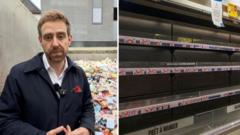
'All this food is now useless': Piles of rubbish after shop freezers hit by cyber-attack
By Katherine Langford
Advertisement · Why this ad?
Marcus manages the day-to-day editorial workflow across all brands, coordinating coverage assignments and ensuring editorial standards are met. He previously served as city editor at the Pioneer Press and holds a degree in Political Science from Carleton College.
More from Marcus →
In a quiet corner of a bustling London supermarket, a store manager noticed an unusual spike in temperature readings from the freezers. Instead of the expected chill, the digital displays showed alarming numbers, indicating temperatures soaring to a staggering 50 degrees Celsius. This was not an isolated incident; it was part of a widespread cyber-attack that had hit shop freezers across seven European countries, disrupting operations and threatening food safety.
On October 15, 2023, a coordinated cyber-attack targeted the refrigeration systems of supermarkets in the United Kingdom, France, Germany, Italy, Spain, the Netherlands, and Belgium. The attack compromised the digital controls of freezers, causing temperatures to rise dangerously high. This incident raised urgent concerns about food spoilage and safety, as perishable goods began to thaw and spoil within hours.
Authorities reported that the cyber-attack was sophisticated, utilizing ransomware that locked out operators from their systems. Supermarkets scrambled to mitigate the damage, with some forced to discard thousands of dollars worth of frozen goods that were no longer safe for sale. The attack highlighted vulnerabilities in the supply chain, particularly in temperature-sensitive food storage.
The implications of this cyber-attack extend beyond immediate financial losses. Food safety experts warned that the rise in freezer temperatures could lead to significant health risks. Products like meats, dairy, and frozen vegetables, which require strict temperature control, were now at risk of harboring harmful bacteria. The Food Standards Agency (FSA) in the UK quickly issued guidelines for both consumers and retailers on how to handle potentially compromised products.
Many supermarkets took immediate action, removing affected items from shelves and conducting thorough inspections of their remaining stock. The FSA emphasized the importance of transparency, urging retailers to communicate clearly with customers about the safety of their products. This incident serves as a stark reminder of the fragility of our food supply chains and the critical need for robust cybersecurity measures.
As news of the cyber-attack spread, communities across Europe reacted with concern and frustration. Local residents expressed their worries about food safety and the potential economic impact on their neighborhoods. In London, shoppers voiced their fears about the reliability of their local supermarkets and the integrity of the food supply.
Many consumers took to social media to share their experiences, with some reporting that they had noticed unusual temperature readings in their local stores prior to the announcement. This has sparked discussions about the importance of regular checks and maintenance of refrigeration systems in retail environments. Community forums have also become platforms for sharing information and advice on food safety during this crisis.
In a recent community meeting held in South London, local leaders gathered to discuss the implications of the cyber-attack. Residents expressed their concerns about the potential for foodborne illnesses and the economic impact on local businesses that rely on the sale of perishable goods. One attendee, Sarah Johnson, a mother of three, remarked, "It’s terrifying to think that our food could be unsafe. We trust these stores to keep our families healthy, and now we’re left wondering if we can even rely on them."
In the wake of the attack, retailers are now faced with the daunting task of reassessing their cybersecurity protocols. Many are investing in advanced security measures to protect their systems from future attacks. This includes implementing more stringent access controls, regular software updates, and employee training on recognizing phishing attempts.
Furthermore, industry experts are urging retailers to collaborate more closely with cybersecurity firms to develop tailored solutions that address the unique challenges faced by the food retail sector. The goal is to create a more resilient infrastructure that can withstand potential threats while ensuring the safety of consumers.
Retailers are also exploring the integration of advanced monitoring systems that utilize artificial intelligence to detect anomalies in temperature control. These systems can alert staff in real-time to any fluctuations, allowing for immediate intervention. As Richard Timmons, a cybersecurity consultant, stated, "Investing in technology is no longer optional; it’s a necessity to protect both the business and the consumer."
This cyber-attack has highlighted several critical lessons for the retail industry. First, the need for robust cybersecurity measures cannot be overstated. Retailers must prioritize investing in technology that safeguards their operations against cyber threats. Additionally, the incident underscores the importance of having contingency plans in place for emergencies, ensuring that businesses can respond swiftly to mitigate damage.
Moreover, this situation has prompted a broader conversation about the role of technology in food safety. As retailers increasingly rely on digital systems for operations, the potential risks associated with these technologies must be carefully managed. Stakeholders across the industry are now advocating for greater transparency and collaboration to enhance food safety standards.
Local health departments are also stepping up their efforts to educate consumers about food safety practices. Workshops are being organized to inform the public on how to properly handle food, especially during incidents like this. For instance, in Manchester, a workshop hosted by the local health authority attracted over 100 participants eager to learn about food safety and the steps they can take to protect their families.
The recent cyber-attack on freezers across Europe serves as a wake-up call for the retail industry and consumers alike. It is a stark reminder of the interconnectedness of our food supply chains and the vulnerabilities that exist within them. As communities navigate the aftermath of this incident, it is crucial for retailers to take proactive steps to ensure the safety of their products and regain consumer trust.
In the coming weeks, we can expect to see increased scrutiny on food safety practices and cybersecurity measures within the retail sector. As families continue to rely on their local supermarkets for essential goods, the importance of strong, secure systems cannot be overstated. The future of our food supply depends on it. As we move forward, it will be essential for both retailers and consumers to remain vigilant and proactive in safeguarding our food safety and security.
By Katherine Langford
By Katherine Langford

By Katherine Langford

By Marcus Chen